VLSI (Very Large Scale Integration) is a technology used to build complex integrated circuits by combining millions or billions of transistors onto a single semiconductor chip. It is a core element of modern electronics, enabling powerful and compact devices such as smartphones, laptops, and embedded systems. By integrating multiple functionalities into one chip, VLSI significantly enhances performance while reducing size, cost, and power consumption.
The VLSI design process follows a systematic flow that includes system specification, architectural design, logic design, circuit design, physical layout, and verification. Engineers use hardware description languages like Verilog and VHDL to design and simulate circuits before manufacturing. This process ensures that the final chip meets performance, power, and area requirements while maintaining accuracy and reliability.
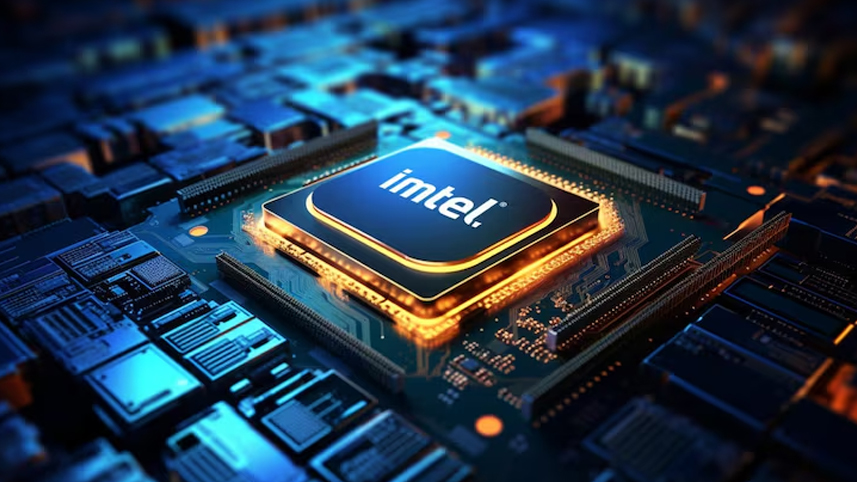
VLSI technology is widely used in developing microprocessors, memory chips, and System-on-Chip (SoC) designs. It plays a major role in advancing technologies such as artificial intelligence, wireless communication, and high-speed computing. As the demand for faster and more efficient devices continues to grow, VLSI remains a key driver in shaping the future of digital and electronic systems.