Embedded systems are specialized computing systems designed to perform a specific function within a larger device or application. Unlike general-purpose computers, they are built for dedicated tasks, offering high efficiency, reliability, and real-time performance. These systems are commonly found in everyday devices such as televisions, washing machines, automobiles, and medical instruments, where they ensure smooth and accurate operations.
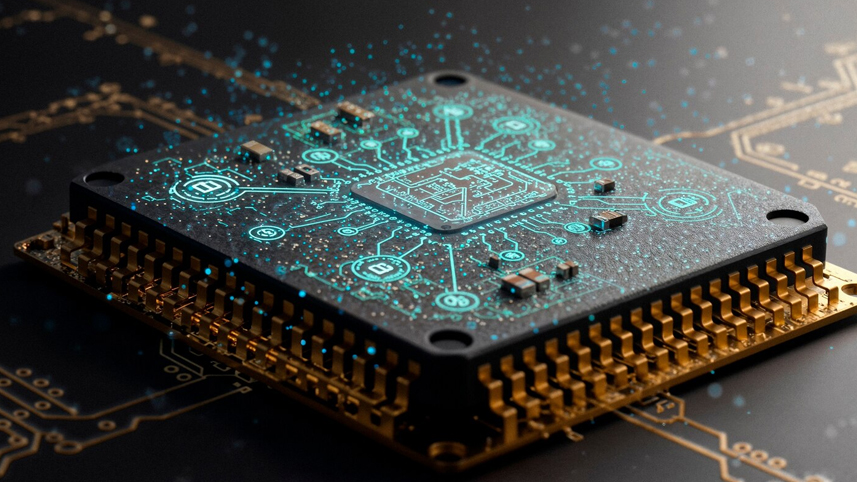
An embedded system consists of tightly integrated hardware and software components. The hardware includes microcontrollers or microprocessors, memory, sensors, and input/output interfaces, while the software controls the functionality of the system. These systems are developed with constraints such as limited power consumption, memory capacity, and processing speed, requiring optimized and efficient design techniques.
With the rapid advancement of technology, embedded systems have become more intelligent and interconnected through IoT and automation. They enable smart features like real-time monitoring, remote control, and data processing across various industries. From smart home devices to industrial robotics, embedded systems play a vital role in driving innovation and improving performance in modern technology.